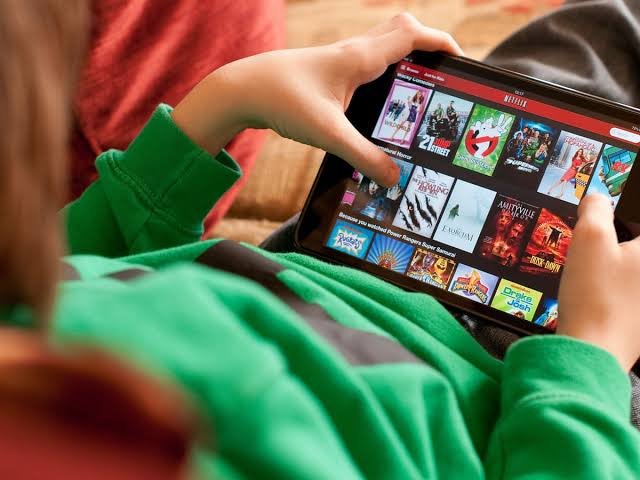
Television viewing in the United Kingdom has changed dramatically over the past decade. While traditional television remains an important part of everyday life, viewers now have more ways to access entertainment, live programming, sports and on-demand content than ever before. The growth of high-speed broadband, smart televisions, streaming devices and internet-based entertainment has created a much more flexible viewing experience.
For many households, television is no longer limited to a fixed schedule or a single device. People can watch content on smart TVs, streaming boxes, computers, tablets and mobile phones. This flexibility has changed what viewers expect from modern television services and has encouraged consumers to compare different options before choosing a service that fits their lifestyle.
The Evolution of Television Viewing in the UK
Traditional television was once based around a relatively simple model. Viewers selected a television package, connected their television to the appropriate service and watched programmes according to a fixed broadcasting schedule. Although this model is still available, modern viewers increasingly expect greater control over what they watch and when they watch it.
Internet connectivity has played a major role in this transformation. Instead of relying entirely on traditional broadcasting methods, viewers can now access entertainment through online platforms and compatible applications. This has made television more adaptable to individual preferences.
The change is particularly noticeable among households that use several entertainment devices. A family might have a smart television in the living room, a streaming device in a bedroom and mobile devices that can be used when travelling. Having multiple options means viewers are no longer dependent on one particular screen or location.
Why Internet-Based Television Is Becoming More Popular
One of the main advantages of internet-based television is flexibility. Viewers can choose services that suit their preferred devices, viewing habits and entertainment requirements. This can be especially useful for people who want a modern alternative to traditional television packages.
Consumers researching television options may come across providers such as UK IPTV British when comparing internet-based television services designed for UK audiences. As with any online service, viewers should take the time to understand what is offered, which devices are supported and what subscription terms apply.
The ability to use different devices is another factor contributing to the popularity of online television. A viewer may want to watch a programme on a television at home but use a tablet or computer at another time. A flexible service can make it easier to adapt entertainment to different situations.
Smart TVs Have Changed the Viewing Experience
Smart televisions have become a central part of modern home entertainment. Unlike older televisions that primarily depended on external broadcast or cable connections, smart TVs can connect directly to the internet and support a wide variety of applications.
This has made the television itself more versatile. Instead of switching between different pieces of equipment, users can access multiple entertainment options from one screen.
However, compatibility remains important. Not every television application works with every operating system or television model. Before subscribing to an internet-based service, consumers should always verify that their particular device is supported.
Users should also consider the age of their television. Older smart TVs may have limited application support, while newer models can provide a faster and more modern interface. In some situations, an external streaming device may provide an alternative for viewers who want to upgrade their television experience without replacing the entire television.
The Growing Role of Streaming Devices
Streaming devices have also changed how people consume television. Small and relatively convenient devices can connect to a television and provide access to online entertainment through compatible applications.
This is particularly useful for households that own a television without extensive built-in smart features. A compatible streaming device can effectively add modern connectivity and give users additional entertainment options.
There are many different devices available, so consumers should consider factors such as operating system compatibility, application availability, remote-control features and overall ease of use.
A good setup should be straightforward. Users should not need to spend excessive amounts of time configuring their equipment every time they want to watch television.
Internet Speed and Stability Matter
Internet-based television depends on a stable internet connection. This means that broadband performance can have a direct effect on the viewing experience.
A household with several connected devices should pay particular attention to its network. Someone watching high-quality video while other family members are downloading files, playing online games or using video conferencing applications may experience network congestion.
For this reason, users should consider both their broadband connection and their home Wi-Fi setup. Router placement, wireless interference and the distance between a television and the router can all influence connection quality.
Where possible, connecting a fixed television or streaming device through an Ethernet connection can provide a stable alternative to Wi-Fi. Modern wireless standards can also provide excellent performance when properly configured.
Live Television and On-Demand Entertainment
Another important change is the combination of live television and on-demand entertainment. Modern viewers often want both options rather than having to choose one or the other.
Live television remains useful for sports, news, events and programmes that viewers want to watch as they happen. On-demand entertainment, meanwhile, gives people more control over when they consume content.
This combination has created a viewing environment where schedules are less restrictive. People can choose different forms of entertainment depending on the time of day and their personal interests.
For example, someone might watch a live sporting event in the evening and later watch an on-demand programme. Another viewer may prefer to watch entertainment during a commute or while travelling, using a compatible mobile device.
Choosing a Television Service Carefully
With more television services available than ever before, consumers should avoid choosing a provider based only on advertising claims. Research is an important part of making a good decision.
Potential customers should look at the provider’s website and check whether information about pricing, supported devices, customer support and subscription conditions is clearly explained.
It is also useful to determine whether the service is intended for the viewer’s location. A service designed for one country may not provide the same content, support or availability in another region.
Consumers should also pay attention to the terms associated with a subscription. Understanding renewal policies, cancellation procedures and payment conditions before purchasing can prevent confusion later.
When researching UK television streaming options, users should compare providers based on the overall experience rather than focusing on one feature. Device compatibility, reliability, customer service and transparent information can all be important considerations.
Television Viewing Across Multiple Devices
Modern households increasingly use several devices for entertainment. This means that device compatibility has become one of the most important factors when selecting an internet-based television service.
A service may be convenient for someone using a smart TV but less suitable for another person who primarily watches content on a computer or mobile device.
Before subscribing, users should identify the devices they are most likely to use. This simple step can help avoid purchasing a service that does not work with their preferred equipment.
Families should also consider how many people may use the internet connection simultaneously. A household with several active devices can have different requirements from a single-person household.
The Importance of a Simple User Experience
Technology should make entertainment easier rather than more complicated. A well-designed television service should provide clear navigation and make it easy for viewers to find the content they want.
Simple menus, responsive applications and reliable playback can make a significant difference to everyday use. Even a service with a large amount of content can become frustrating if users struggle to navigate it.
This is why consumers should consider the overall user experience when comparing television services. Features are useful, but they should also be presented in a way that ordinary viewers can understand.
Sports Remain an Important Part of Television
Sports are one of the major reasons people continue to watch live television. Football, rugby, cricket, tennis and other sporting events attract audiences throughout the UK.
Live sports are particularly different from ordinary on-demand entertainment because viewers often want to watch events as they happen. Delayed viewing may reduce the excitement, particularly when the result is being discussed online or by friends and family.
This has increased demand for flexible television solutions that allow viewers to access appropriate programming through compatible devices.
However, viewers should always make sure that the service they choose has the appropriate rights and permissions for the content they want to watch. Availability can vary depending on location and licensing arrangements.
What the Future of Television Could Look Like
The future of television is likely to become even more flexible. Traditional broadcasting, streaming platforms, smart televisions and internet-based services are increasingly becoming parts of the same entertainment ecosystem.
Consumers are unlikely to want to return to a situation where they have only one way to watch television. Instead, people will continue to expect flexibility, device compatibility and convenient access.
Artificial intelligence and improved recommendation systems may also influence how viewers discover content. Instead of manually searching through hundreds of programmes, viewers may increasingly receive recommendations based on their interests and previous viewing habits.
Better broadband infrastructure will also support this evolution. As internet speeds improve, higher-quality video and more advanced interactive features will become increasingly practical for ordinary households.
Making the Most of Modern Television Technology
Getting the most from modern television technology does not necessarily require buying the most expensive equipment. A good setup begins with identifying how you actually watch television.
Someone who watches primarily on a smart TV may need a different setup from someone who watches on several devices. Similarly, a household that frequently watches live sports may have different priorities from someone who mainly watches on-demand entertainment.
Researching available services and understanding your own requirements can therefore make the selection process much easier. Consumers can then choose equipment and services that provide genuine value rather than paying for features they will rarely use.
For viewers looking for a UK-focused option, UK IPTV British is another website that can be explored when researching internet-based television services. As always, customers should review the available information and make sure that any service they choose is suitable for their location, devices and viewing requirements.
See also: Personal Injury Lawyer in Houston, Texas: Truck Accident Lawsuits Step by Step
Final Thoughts
The way people watch television in the United Kingdom continues to evolve. Smart TVs, broadband connections, streaming devices and internet-based entertainment have given viewers greater flexibility than traditional television models could provide.
Rather than relying on a single method of viewing, modern households can combine different technologies according to their needs. This makes entertainment more adaptable to different lifestyles, schedules and devices.
At the same time, consumers should remain careful when selecting an online television service. Checking compatibility, subscription conditions, customer support, connection requirements and content availability can help create a better experience.
The most important development is not simply the technology itself. It is the increased control that viewers now have over their entertainment. Whether watching live sports, catching up on programmes or exploring on-demand content, UK viewers have more choices than ever before.
As internet connectivity and smart-home technology continue to improve, television will likely become even more integrated with the rest of the digital home. For consumers, that means more flexibility, more devices and more ways to enjoy entertainment on their own terms.